Why We Crave Hurt/Comfort: The Emotional Pull of Whump, Tragedy, and Survival
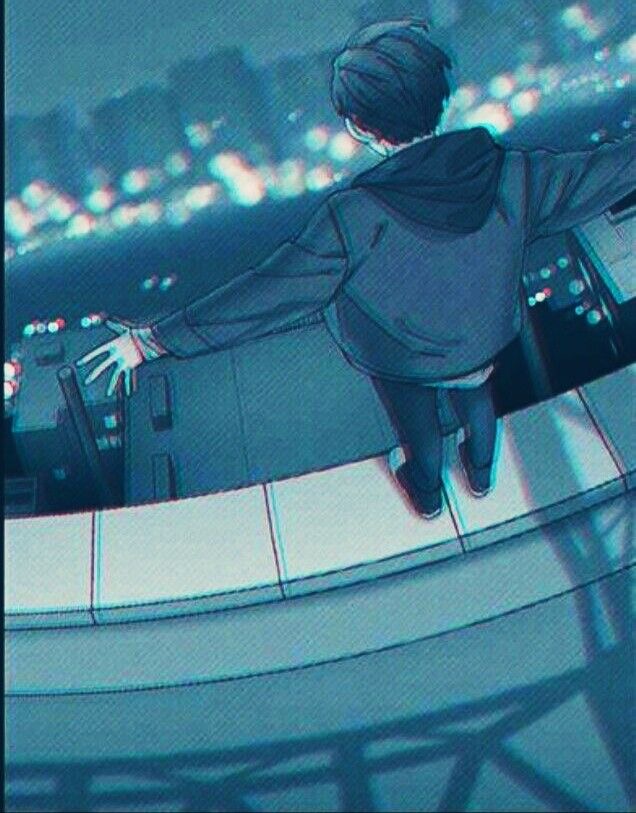
Why We Crave Hurt/Comfort: The Emotional Pull of Whump, Tragedy, and Survival
Introduction
If you’ve ever found yourself reading through pages of emotional devastation—watching your favorite character break, suffer, or nearly die—only to immediately click “next chapter,” you’re not alone. You’ve fallen for what fandom calls Hurt/Comfort (H/C) or whump—a storytelling tradition older than fanfiction itself.
Whether it’s emotional breakdowns, physical injuries, sickness, loss, or near-death, this trope makes readers ache in the best (and sometimes worst) ways. But why do we seek it out? Why do so many of us want to watch characters we love fall apart, only to be put back together again?
Let’s talk about why we’re wired for emotional destruction—and why Hurt/Comfort is one of the most powerful tools a writer can use.
What Is Hurt/Comfort (H/C)?
At its core, Hurt/Comfort is about two things:
Breaking a character (physically, emotionally, or both)
Giving them comfort, healing, or connection in the aftermath
The “hurt” can come in countless forms:
Physical injury (stab wounds, broken bones, sickness)
Emotional pain (loss, betrayal, isolation)
Psychological trauma (PTSD, addiction, panic attacks)
The “comfort” is just as important:
A friend or lover showing up when no one else does
Physical care (cleaning wounds, holding them through the pain)
Emotional validation (letting them be messy, scared, or vulnerable without judgment)
It’s a delicate balance between devastation and relief—and we love every second of it.
Why Do We Love Watching Characters Suffer?
1. Emotional Catharsis
We don’t always get closure or comfort in real life.
H/C gives us a safe space to experience pain with the promise of healing. It mirrors our own struggles and offers the fantasy of someone sticking around when things get hard.
2. Survival and Loyalty Feel Earned
Characters who suffer and survive feel real. Their pain makes their relationships deeper, their loyalty sharper, and their growth believable.
3. Connection Through Vulnerability
Watching a character break down strips away all pretense. We get to see them at their most raw—something we rarely experience in real life without fear or consequence.
4. It Hurts Good
Let’s be honest—some readers (like us) are just here for the emotional damage.
We want to feel. And if a story can make us cry, scream, or clutch our chest? It means we care.
Common Whump Sub-Tropes We Can’t Resist.
Injury/Recovery Scenes (bonus points for “Don’t you dare die on me!”)
Sick Fics (fevered confessions, caretaking, bed-sharing)
Captured/Tortured Characters (but only if they survive and grow)
Emotional Breakdown/Comfort Scenes (quiet hugs in the aftermath)
Near-Death Experiences (the “I thought I lost you” moment)
Post-Trauma Healing Arcs (letting them live with what they’ve endured)
Why Hurt/Comfort Works So Well in Dark Fantasy
Dark fantasy thrives on high stakes, morally gray characters, and brutal emotional cost. When you put broken people in a broken world, the pain feels inevitable—but so does the hope that someone will choose to stay with them anyway.
Characters like Kriia, Remi, and Rexar in the House of Teeth saga aren’t just survivors—they’re living proof that loyalty isn’t easy, and healing isn’t clean. They hurt each other. They save each other. And readers stay for the aftermath, because that’s where the real story lives.
The Bottom Line
We don’t love Hurt/Comfort because we enjoy watching characters suffer without reason.
We love it because it reminds us that pain doesn’t have to be the end.
That survival is possible.
That loyalty matters.
That even when everything falls apart—someone might still choose to stay.
Ready for Your Next Emotional Breakdown?
If you love morally gray characters, emotional destruction, and loyalty that hurts just right, start the House of Teeth saga today.
Book 1: No Kingdom for a Fang is FREE on Google Play for a limited time.
Start Reading Here


Comments
Post a Comment